
AC Repair
Arctic Enterprises follows documented procedures for every diagnostic and repair rather than relying on memory or habit. All technicians carry calibrated instruments and record measurements before any adjustment or part change.
Get a quoteHVAC · the USA
Arctic Enterprises handles hvac work across the USA.
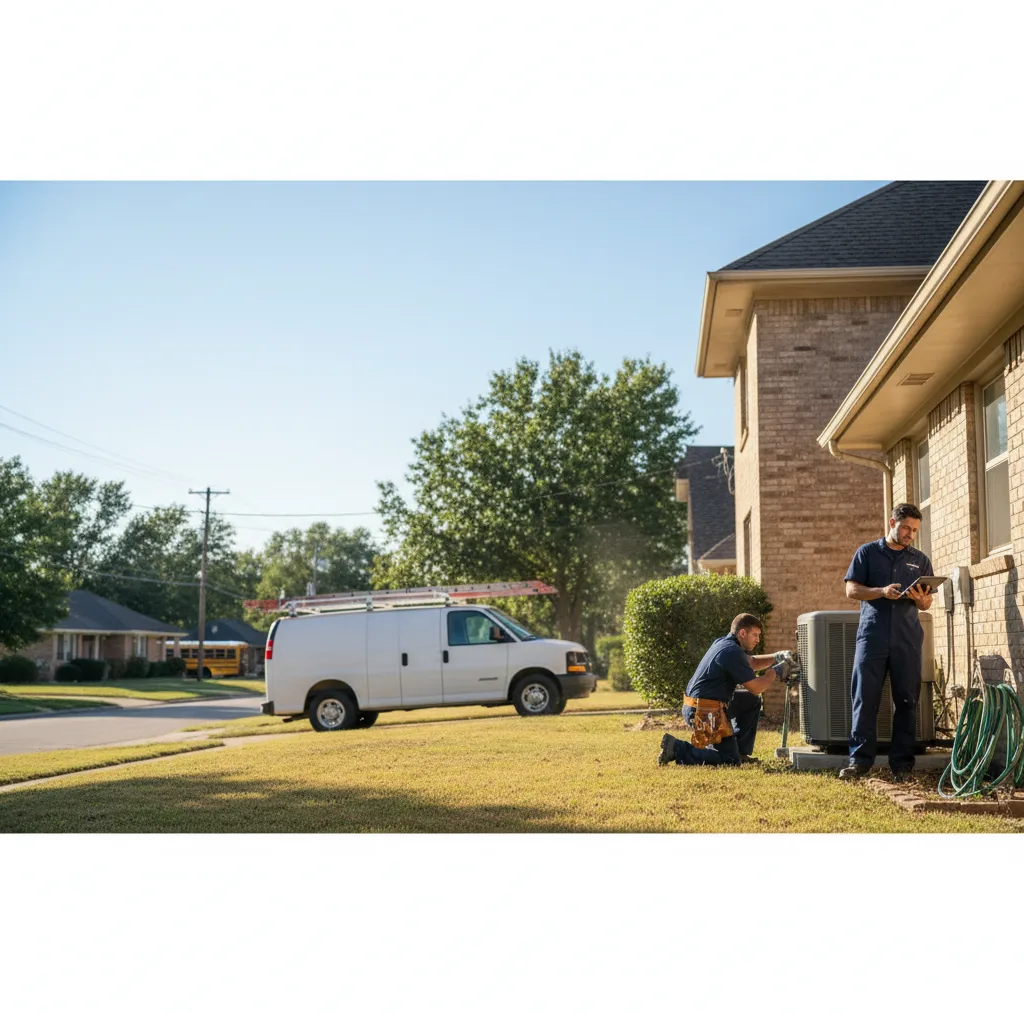
Technicians inspect every major component rather than focusing only on the part that stopped working first.
All repairs are performed by technicians who hold current HVAC licenses and stay updated on equipment changes.
Customers receive a clear breakdown of parts and labor costs before any work begins.
Services
Arctic Enterprises follows documented procedures for every diagnostic and repair rather than relying on memory or habit. All technicians carry calibrated instruments and record measurements before any adjustment or part change.
Get a quoteCrews review the full mechanical system rather than swapping only the outdoor unit. Every installation includes verification of airflow and electrical loads before departure.
Get a quoteTechnicians follow manufacturer guidelines for each piece of equipment rather than generic checklists. Findings are recorded so owners receive a written summary they can keep for future reference. Parts used during service match the specifications listed on the equipment data plate and support long-term performance after HVAC system replacement.
Get a quoteEvery repair begins with measurements taken on the existing system so replacement parts restore original performance rather than altering it. The same technician who diagnoses the issue completes the repair and leaves a written record of the work performed.
Get a quoteArctic Enterprises follows documented procedures for each installation, records model and serial numbers, and supplies written operating instructions for the new equipment.
Get a quoteWork begins with a full inspection that documents access points and existing conditions. Equipment is selected to match the duct material and layout so extraction remains contained. Final checks confirm that registers and accessible sections are free of loose residue before the HVAC system is returned to normal operation.
Get a quoteTechnicians follow a written sequence that covers load evaluation, AC installation, installation, and verification. Each step is documented so the property owner can review what was checked and what was installed.
Get a quoteArctic Enterprises keeps records of each system’s model and wiring layout so future AC Maintenance service calls start with known information. Parts are selected to match the equipment already in place rather than the newest model on the shelf.
Get a quoteHomeowners frequently assume a sudden loss of cool air means the entire unit has failed. In practice the cause is usually a single worn component such as a capacitor, fan motor, or clogged filter that prevents proper heat exchange. A technician begins by measuring temperature differentials across the evaporator and condenser coils, then checks electrical readings at the contactor and compressor. These steps reveal whether the system is simply low on charge or whether a deeper mechanical issue exists. Replacing refrigerant without locating the leak only postpones the same failure. Filters left unchanged for months restrict airflow and force the compressor to run longer cycles, which raises energy use and shortens equipment life. Routine measurement of static pressure and amperage draw during AC maintenance often identifies problems weeks before complete breakdown occurs.
Rattling or buzzing sounds lead many owners to believe the unit must be replaced immediately. Most noises trace to loose access panels, unbalanced blower wheels, or failing bearings in the condenser fan. A grinding sound inside the compressor housing, however, usually indicates internal wear that cannot be reversed by simple part swaps. Technicians isolate the source by running the system through each mode while listening at specific locations. They also verify that the thermostat is calling for cooling and that safety switches have not tripped. Documenting these readings prevents unnecessary replacement of expensive components that still meet manufacturer specifications.
Our process
The AC repair process starts with a phone description of the symptom, moves to an on-site assessment, and ends with a written summary of findings and options.
Many cooling failures that require AC repair begin with an electrical issue rather than a mechanical one. A technician first confirms that line voltage reaches the disconnect, then checks for voltage drop across the contactor. Low voltage at the coil can prevent the compressor from starting even when the thermostat is set correctly. Capacitors are tested for microfarad values that fall outside the labeled range. When a dual-run capacitor fails, both the compressor and fan may stop together, creating the appearance of a total system failure. Technicians also inspect the run capacitor wiring for melted insulation or loose spade connections that create intermittent faults. These checks are performed with the power isolated and with lockout procedures in place.
Two homes with identical model numbers can require very different work depending on installation conditions. One unit may sit in a shaded courtyard with clean coils while another faces direct sun and heavy pollen load. Access to the indoor coil also varies: some homes have easy attic entry while others require removal of drywall sections. Technicians note these conditions on the initial visit so the estimate reflects actual labor time. Older properties often have mismatched line sets or outdated thermostats that must be addressed before thermostat installation of a new component will operate correctly. The sequence of steps therefore changes from one address to the next even when the reported symptom sounds the same.
Pricing
The total depends on the age of the equipment, ease of access to the coils and electrical components, and whether refrigerant must be recovered and weighed. The figures below are starting points only.
AC capacitor replacement — starting at $185 AC contactor replacement — starting at $210 Condenser fan motor replacement — starting at $295 Thermostat replacement — starting at $165 Refrigerant leak repair and recharge — $450-$850 Evaporator coil cleaning — starting at $225 Full electrical inspection — starting at $140 Compressor start relay replacement — starting at $175 Condensate drain clearing — starting at $125 Blower wheel balancing — starting at $260
Rental buildings present additional coordination steps that single-family homes do not. Property managers often require advance notice for tenant access and prefer written summaries that can be forwarded to owners. Technicians document pre-existing conditions such as dirty filters or blocked condensate drains so responsibility can be assigned correctly. In multi-unit structures the shared electrical service sometimes limits simultaneous testing of several systems. Scheduling therefore focuses on one unit at a time to avoid tripping breakers that serve common areas. Maintenance agreements for these properties usually include quarterly filter changes and coil cleaning rather than emergency-only visits.
Rising energy bills without a corresponding increase in thermostat settings often point to reduced efficiency. Ice forming on the suction line during mild weather suggests low refrigerant or restricted airflow. Warm air from the vents when the thermostat calls for cooling indicates the reversing valve or contactor may be stuck. Homeowners can check the condensate drain for standing water and replace the filter, but further testing requires gauges and electrical meters. Addressing these indicators early prevents a complete shutdown during peak heat. Technicians also review the age and SEER rating of the existing equipment so replacement decisions can be planned rather than made under emergency conditions.
FAQ

Warm supply air usually means the refrigerant charge is low or the evaporator coil is restricted. A technician measures the temperature split across the coil and checks system pressures to determine which condition exists. Simply adding refrigerant without repairing the leak will not produce lasting results.
The capacitor stores a charge even after power is removed, so discharge procedures and proper sizing are required. Incorrect replacement can damage the compressor or create a safety hazard. Most manufacturers require licensed personnel for warranty compliance.
A failed compressor often shows zero pressure differential between suction and discharge lines and draws locked-rotor amperage. Technicians also listen for internal knocking and check winding resistance. Replacement cost is compared against the remaining life of the rest of the system before any decision is made.