HVAC · the USA
Technicians follow manufacturer guidelines for each piece of equipment rather than generic checklists. Findings are recorded so owners receive a written summary they can keep for future reference. Parts used during service match the specifications listed on the equipment data plate and support long-term performance after HVAC system replacement.
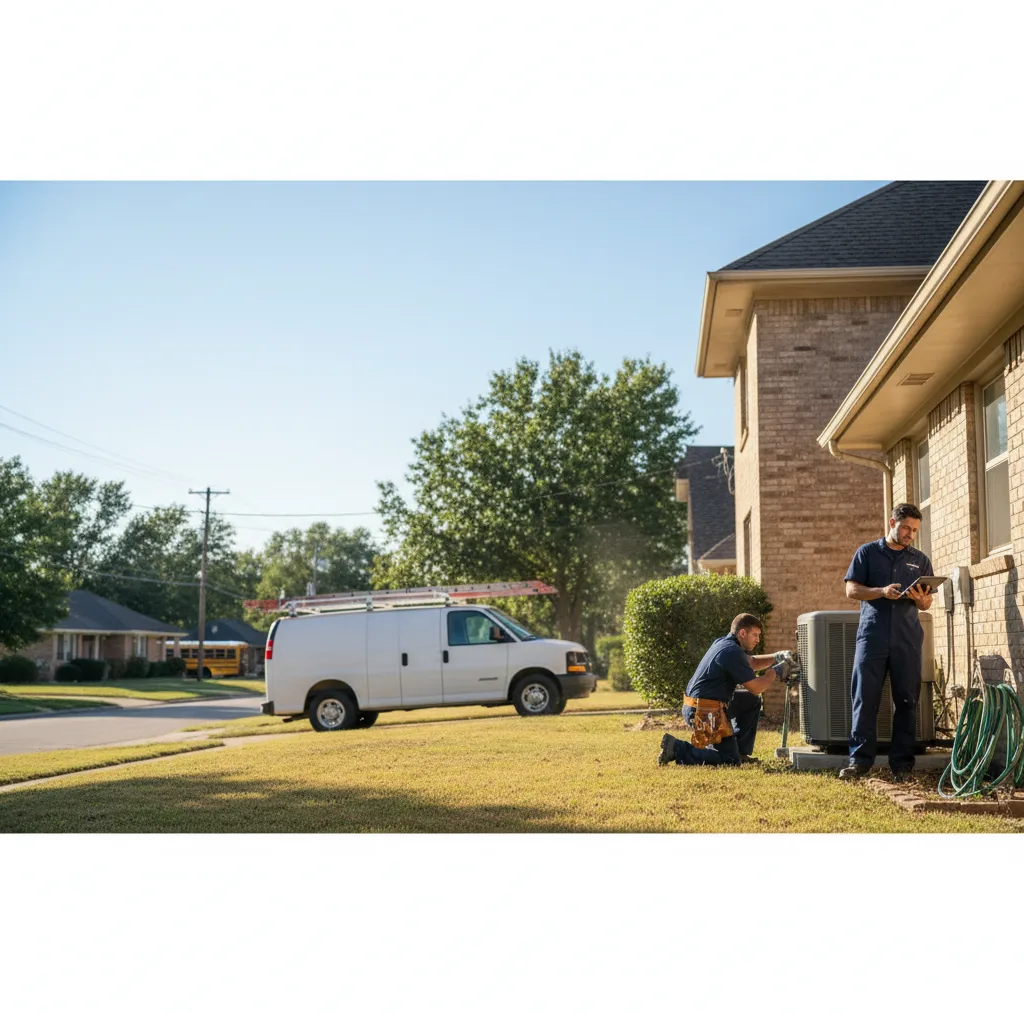
Uneven temperatures between rooms often point to restricted airflow or dirty coils that reduce the system’s ability to move conditioned air efficiently. Unusual sounds such as rattling or humming can come from loose fan blades, worn bearings, or electrical components beginning to fail and often require AC repair. Higher-than-expected utility bills during mild weather frequently trace back to the same issues, because the equipment must run longer to reach the thermostat setting. A visual check of the outdoor unit may reveal debris buildup around the condenser fins or visible frost on refrigerant lines, both of which interfere with heat exchange. Homeowners can also note how long the system takes to reach the desired temperature after startup; extended run times usually mean one or more routine adjustments are needed. Addressing these signs early helps keep the equipment operating within its designed parameters.
The indoor evaporator coil is examined for dust accumulation that restricts heat transfer and can promote mold growth if moisture remains. Condensate drains are cleared to prevent water backup that might damage ceilings or trigger safety switches. Electrical terminals are tightened and tested for proper voltage and amperage draw, since loose connections increase heat and risk component failure. The outdoor fan motor and capacitor are evaluated for smooth operation and correct starting torque. Refrigerant pressures are measured against manufacturer specifications so any deviation can be recorded for later review. These steps are performed in sequence so nothing is overlooked regardless of system age or brand.
FAQ

Warm supply air usually means the refrigerant charge is low or the evaporator coil is restricted. A technician measures the temperature split across the coil and checks system pressures to determine which condition exists. Simply adding refrigerant without repairing the leak will not produce lasting results.
The capacitor stores a charge even after power is removed, so discharge procedures and proper sizing are required. Incorrect replacement can damage the compressor or create a safety hazard. Most manufacturers require licensed personnel for warranty compliance.
A failed compressor often shows zero pressure differential between suction and discharge lines and draws locked-rotor amperage. Technicians also listen for internal knocking and check winding resistance. Replacement cost is compared against the remaining life of the rest of the system before any decision is made.