HVAC · the USA
Every repair begins with measurements taken on the existing system so replacement parts restore original performance rather than altering it. The same technician who diagnoses the issue completes the repair and leaves a written record of the work performed.
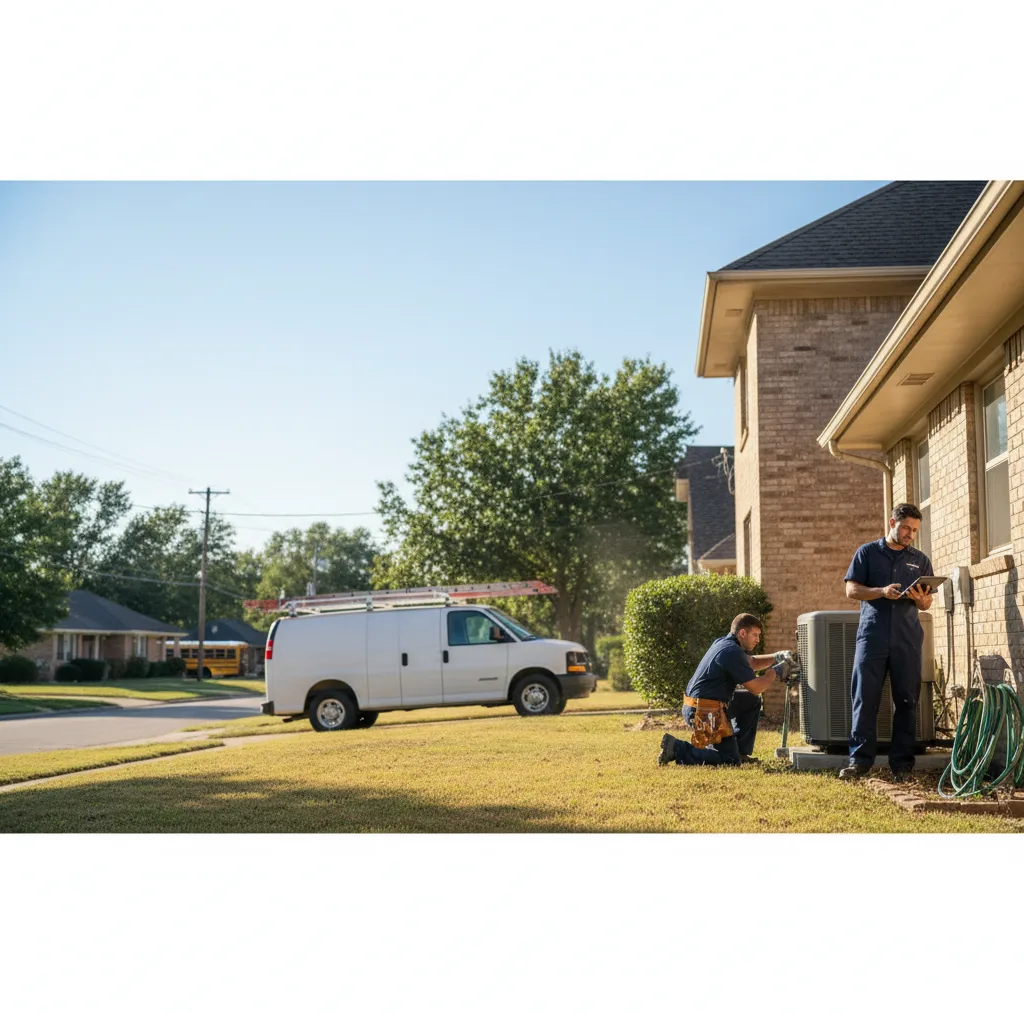
Heating systems lose efficiency when airflow is restricted or ignition components drift out of adjustment. A service call starts by listening to the sequence the furnace or heat pump follows on startup. Restricted filters, worn blower motors, and misaligned limit switches each produce distinct sounds and temperature patterns that point to the source. Once the unit is opened, the exchanger is inspected for cracks, the burners are checked for proper flame shape, and electrical connections are tested for voltage drop. These steps show whether the problem is isolated to one part or the result of gradual wear across several related components. Homeowners often notice uneven room temperatures or short cycling before the system stops working entirely. Recording which rooms stay cold and how long the unit runs before shutting off gives useful clues before the technician arrives.
The inspection covers safety controls first because a cracked exchanger or failing pressure switch can allow combustion gases into living spaces. Next the combustion air supply and venting paths are confirmed to be clear. Gas pressure is measured at the manifold to ensure it matches the rating plate. In heat-pump systems the reversing valve and defrost controls are tested under load. After repairs are complete the system is run through at least two full cycles while temperatures and amperage are recorded. This confirms the original symptom has been resolved and no new issues were introduced during the work.
FAQ

Warm supply air usually means the refrigerant charge is low or the evaporator coil is restricted. A technician measures the temperature split across the coil and checks system pressures to determine which condition exists. Simply adding refrigerant without repairing the leak will not produce lasting results.
The capacitor stores a charge even after power is removed, so discharge procedures and proper sizing are required. Incorrect replacement can damage the compressor or create a safety hazard. Most manufacturers require licensed personnel for warranty compliance.
A failed compressor often shows zero pressure differential between suction and discharge lines and draws locked-rotor amperage. Technicians also listen for internal knocking and check winding resistance. Replacement cost is compared against the remaining life of the rest of the system before any decision is made.